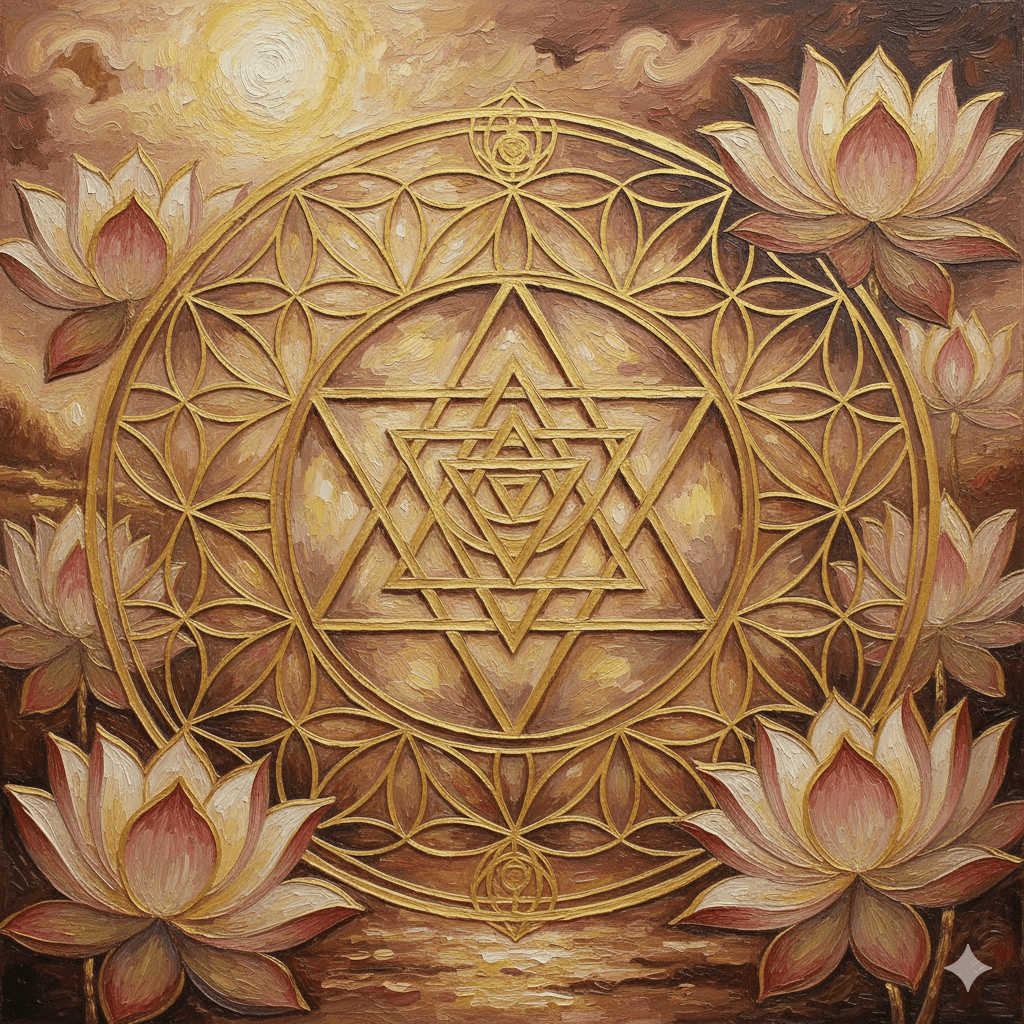
The Goddesses Who Guide
Seven goddess archetypes anchor the Thresholds work. Each represents a different kind of threshold a woman may face, a different terrain of transformation.
Seven goddess archetypes anchor the Thresholds work. Each represents a different kind of threshold a woman may face, a different terrain of transformation.
“Where there is woman there is magic. If there is a moon falling from her mouth, she is a woman who knows her magic, who can share or not share her powers. A woman with a moon falling from her mouth, roses between her legs and tiaras of Spanish moss, this woman is a consort of spirits.”
These are not goddesses to worship. They are mirrors. Each one reflects a particular threshold, a specific quality of transformation that a woman may be called to walk through.
“The Goddess doesn't enter us from outside; she emerges from deep within. She is not held back by what happened in the past. She is conceived in consciousness, born in love, and nurtured by higher thinking. She is integrity and value, created and sustained by the hard work of personal growth and the discipline of a life lived actively in hope.”
Click on a goddess to learn more about her journey
Return to Tenderness
Salento, Italy
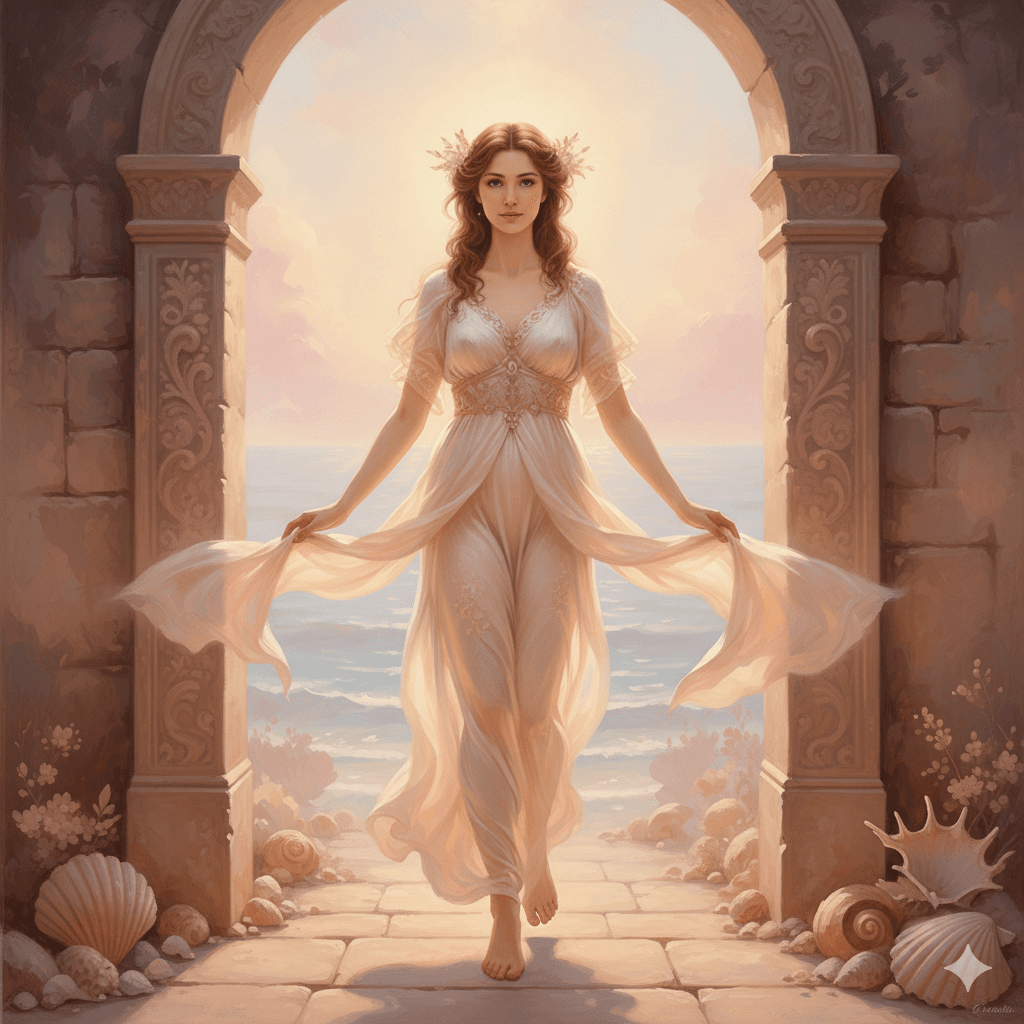
In ancient myth, Aphrodite was born from sea foam, rising fully formed from the waves. She was goddess of love, beauty, and desire, but her power was often diminished to mere seduction, her agency reduced to pleasing others.
Today, Aphrodite is reclaimed as a goddess of radical self and creative power. She represents embracing beauty and sensuality on your own terms, not as a means to please others but as a birthright. Her rising from the sea symbolizes rebirth, the return to yourself after disappearing for too long.
Aphrodite walks with those who have dimmed their own light, who have forgotten that pleasure and tenderness are not indulgences but necessities. She guides the journey back to self, helping you remember that you were never meant to disappear.
“May you return to yourself gently. May you remember that you were never meant to disappear.”
Women who want to reconnect with their sense of warmth, sensuality, and inner glow. Some arrive after long periods of giving, others after heartbreak, and others simply because they feel disconnected from the parts of themselves that once felt alive and expressive.
The Aphrodite journey is about restoring pleasure, beauty, and the quiet enjoyment of being alive. It is not about performance or trying to be desirable. It is about feeling the warmth return to her skin, her voice, her presence.
The Reclamation
Matera, Italy
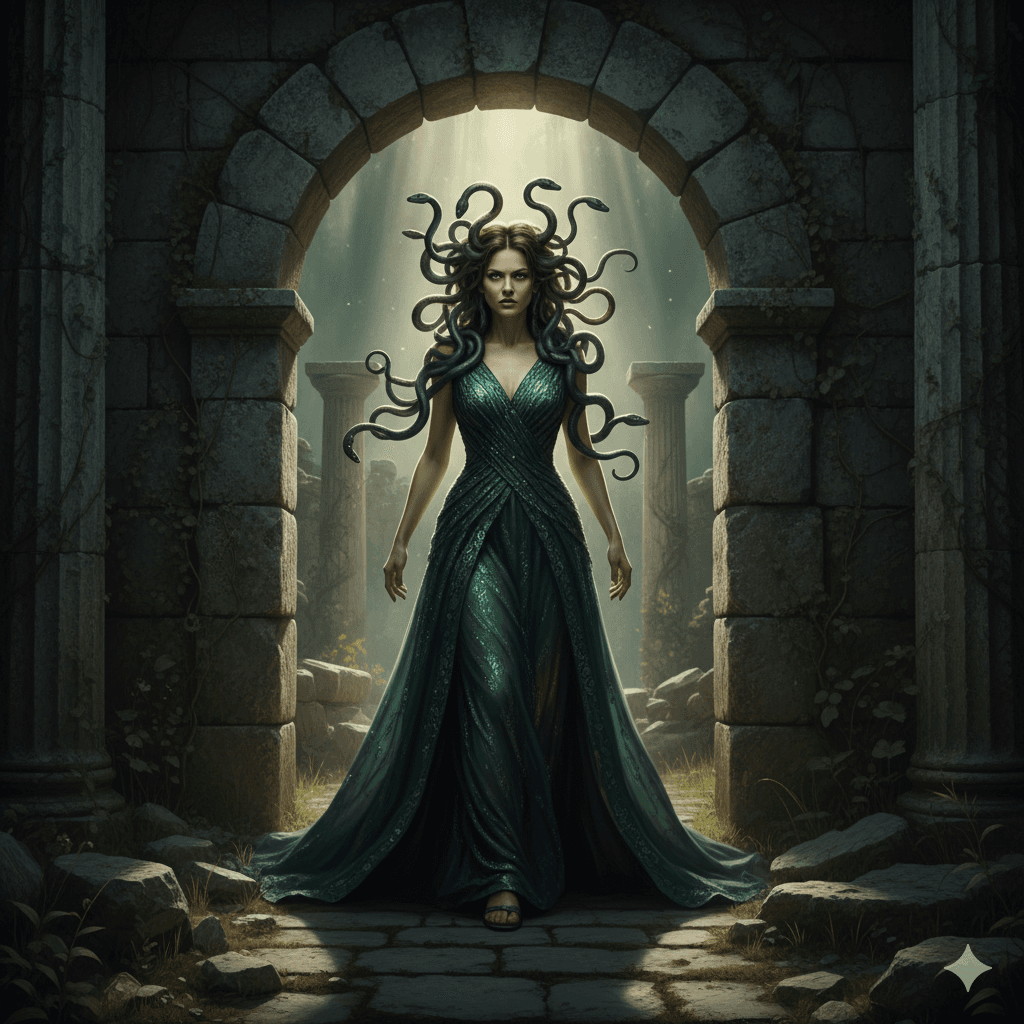
Medusa was once a beautiful priestess in Athena's temple. After being violated by Poseidon, she was exiled and cursed. Not the god who harmed her, but she herself was transformed into a monster. Her hair became serpents, her gaze turned others to stone.
Medusa has been reclaimed from monstrous villain to powerful symbol of survival. Her petrifying gaze, once a curse, is now understood as protection, a force that subverts the objectifying gaze and asserts agency. The secondary betrayal she suffered (blamed by other women through Athena) speaks to how survivors are often doubted by those who should protect them.
Medusa walks with survivors of violation and betrayal, especially those who were blamed for their own wounding. She helps reclaim perception and truth, transforming the story from one of victimhood to one of fierce sovereignty. Her gaze does not destroy; it reveals.
“May your truth be heard. May your gaze reclaim what was taken. May you never again doubt what you know.”
Women who have known violation, betrayal, dismissal, or blame. For those who have endured something that should never have happened and then carried the weight of being punished for it.
The Medusa journey is about reclaiming the parts of a woman that were taken, twisted, or silenced. It is about allowing her instinct to return, trusting her perception again, and standing fully in the truth of her experience without apology.
The Passage Through Grief
Ponza, Italy
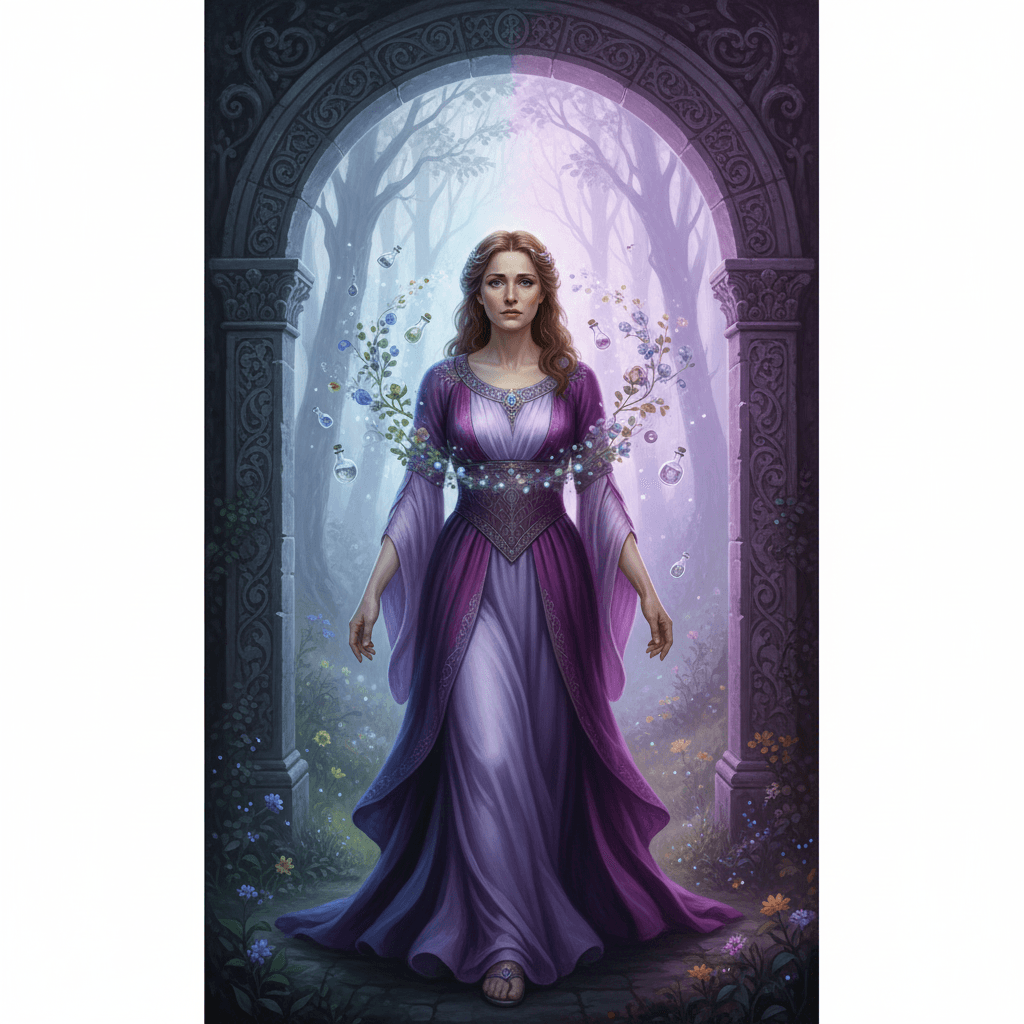
Circe was a witch-goddess exiled to a remote island, known in Homer's Odyssey for transforming men into swine. She was portrayed as dangerous, manipulative, and a cautionary tale about powerful women.
In contemporary feminist retellings, Circe is reimagined as a figure of autonomy and self-discovery. Her story, retold from her own perspective, reveals a woman who survived grief, divine cruelty, developed her own power, and learned to protect herself and other women from abuse. She represents the strength found in solitude and self-actualization through transformation.
Circe walks with those passing through grief and transformation. She knows that some journeys require descent, that we must go through the darkness, not around it. She guides those who are learning to transform pain into wisdom, loss into depth.
“May your sorrow become your teacher. May you find yourself on the other side of what you thought would end you.”
Women who are carrying grief that has reshaped their lives. The loss of a parent, a friend, a part of herself she once leaned on.
The Circe journey is about allowing grief to move without forcing it into a timeline. It is about creating space for sorrow, for memory, for love that has lost its earthly home. The woman who walks with Circe learns that grief is not a problem to solve but a passage to honor.
Creative Fire and Sisterhood
Carcassonne, France
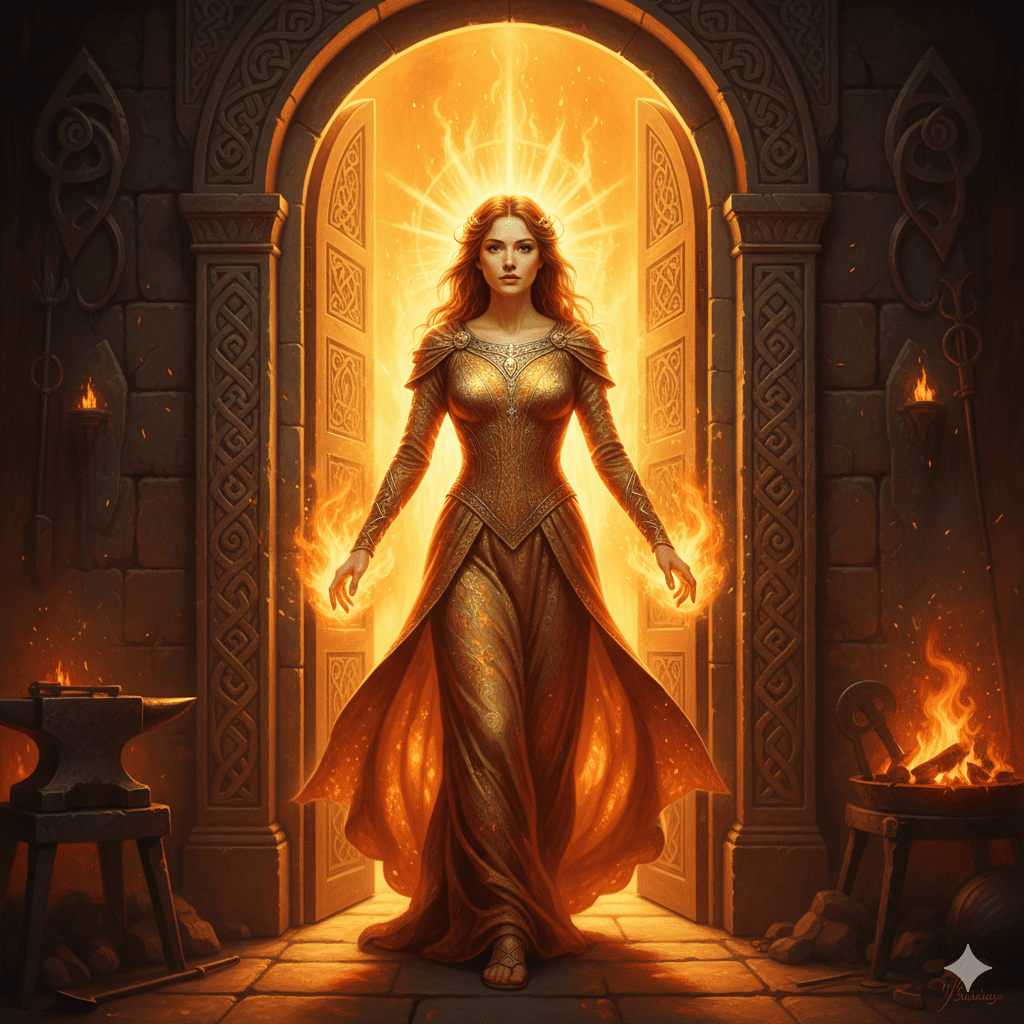
Brigid is a Celtic triple goddess of the hearth, poetry, and smithcraft. She tended the sacred flame that was kept burning for centuries. Her worship was so beloved that the Christian church transformed her into Saint Brigid rather than erase her entirely.
Brigid represents the creative fire that refuses to die, no matter how many have tried to extinguish it. She is goddess of inspiration, healing, and the forge, the place where raw material becomes art, where broken things are made whole. She embodies female creativity, voice, and the nurturing strength of community.
Brigid walks with those whose creative fire has been suppressed or silenced. She tends the flame when you cannot, holds space for expression, and helps you find the sisters who will warm themselves beside your fire. She is invoked for protection of voice and creative power.
“May your voice rise. May your creative fire burn without apology. May you find the sisters who warm themselves beside you.”
The woman who feels something rising inside her. A longing to create. A desire to speak. A pull toward expression that feels like an inner flame asking for air.
The Brigid journey is about tending the creative fire without apology. It is about clearing what has blocked a woman's voice, reconnecting her with the joy of making, and surrounding her with the warmth of women who understand what it means to carry something unborn.
Primal Sovereignty
Donegal, Ireland
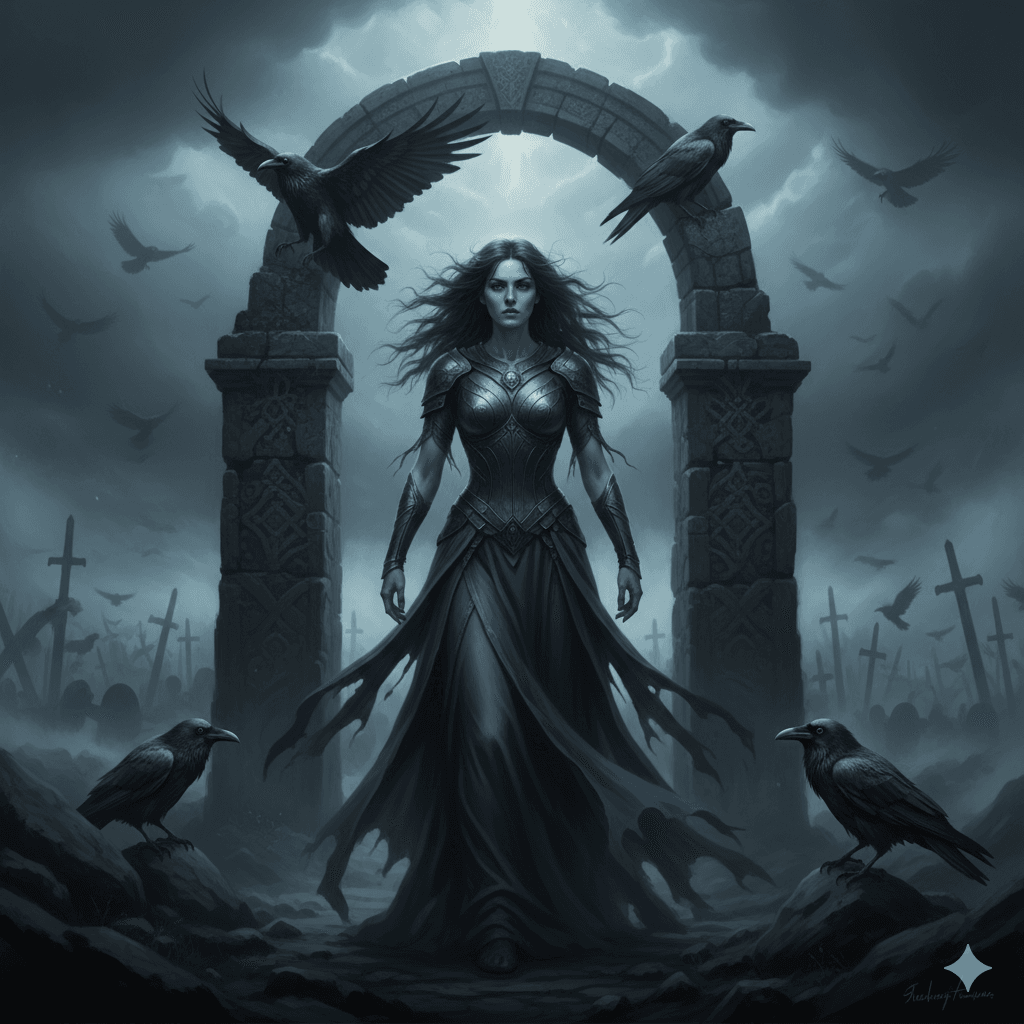
Morrigan is an Irish goddess of war, fate, and sovereignty. She appeared as a crow on battlefields, choosing who would live and die. She was feared, a dark goddess of death and destruction.
Morrigan is reclaimed as an archetype of the Dark Feminine, fierce, untamed power that was never meant for civilizing. Her 'ravenous rage' is understood not as destruction but as the fire needed for transformation. She represents sovereignty over one's own life, the courage to fight for what matters, and the wildness that patriarchy tried to tame.
Morrigan walks with those who have been diminished, controlled, or domesticated. She helps reclaim the fierce parts of yourself that were shamed or suppressed. She channels rage into healing, standing up against injustice both internal and external.
“May your power return in full. May you never again make yourself small for others' comfort.”
The woman whose power is waking. She feels it under her ribs. She feels it when the world tries to shrink her. Something in her is done with silence, done with apology.
The Morrigan journey is about stepping into full presence, full voice, full embodiment of a woman's true authority. It is fierce, grounded, and deeply instinctual. The woman who walks with Morrigan learns that her power does not need permission.
The Crossroads
Pelion, Greece
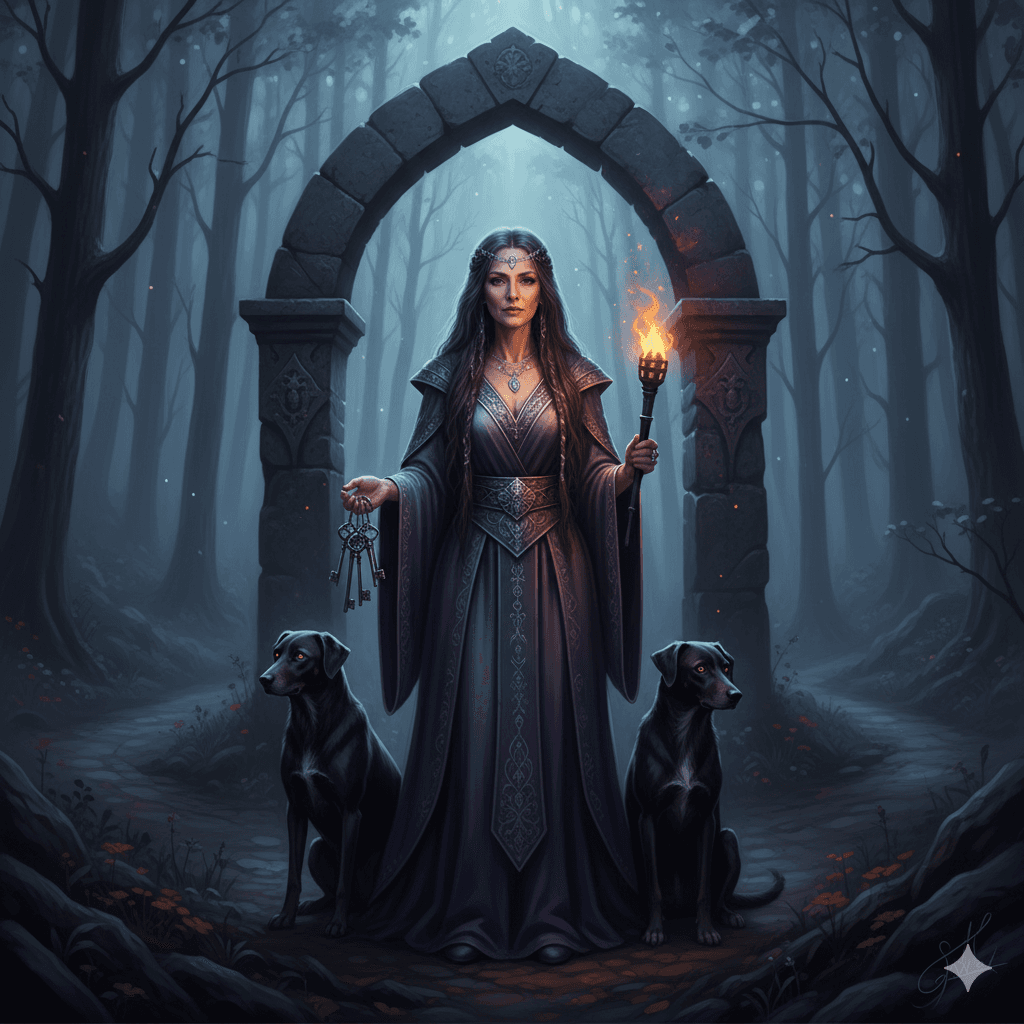
Hekate (Hecate) is an ancient Greek goddess of the crossroads, magic, and the moon. She stood at three-way intersections holding torches, associated with the underworld and the night. She is often depicted with loyal dogs at her side and carrying keys, symbols of her role as guardian of thresholds and keeper of hidden knowledge.
Hekate is embraced as a powerful Dark Goddess of wisdom, intuition, and transition. As goddess of the crossroads, she symbolizes the capacity to make autonomous decisions and navigate life's complexities. She represents embracing one's shadow, trusting intuition, and finding guidance in uncertainty.
Hekate walks with those standing at crossroads, facing major decisions, transitions, or the unknown. She does not choose your path but illuminates what is already true. She guides those learning to trust their inner knowing, especially when the way forward is unclear.
“May you trust the darkness as a passage, not a punishment. May you find the light that was always yours to carry.”
Women who sense that they are standing in a moment of transition, even if they cannot yet put words to it. Some arrive with a clear decision before them. Others feel something shifting internally.
The Hekate journey is about clarity at the crossroads. It is about learning to trust intuition, to read the signs, to make decisions that align with the woman she is becoming rather than the woman she used to be.
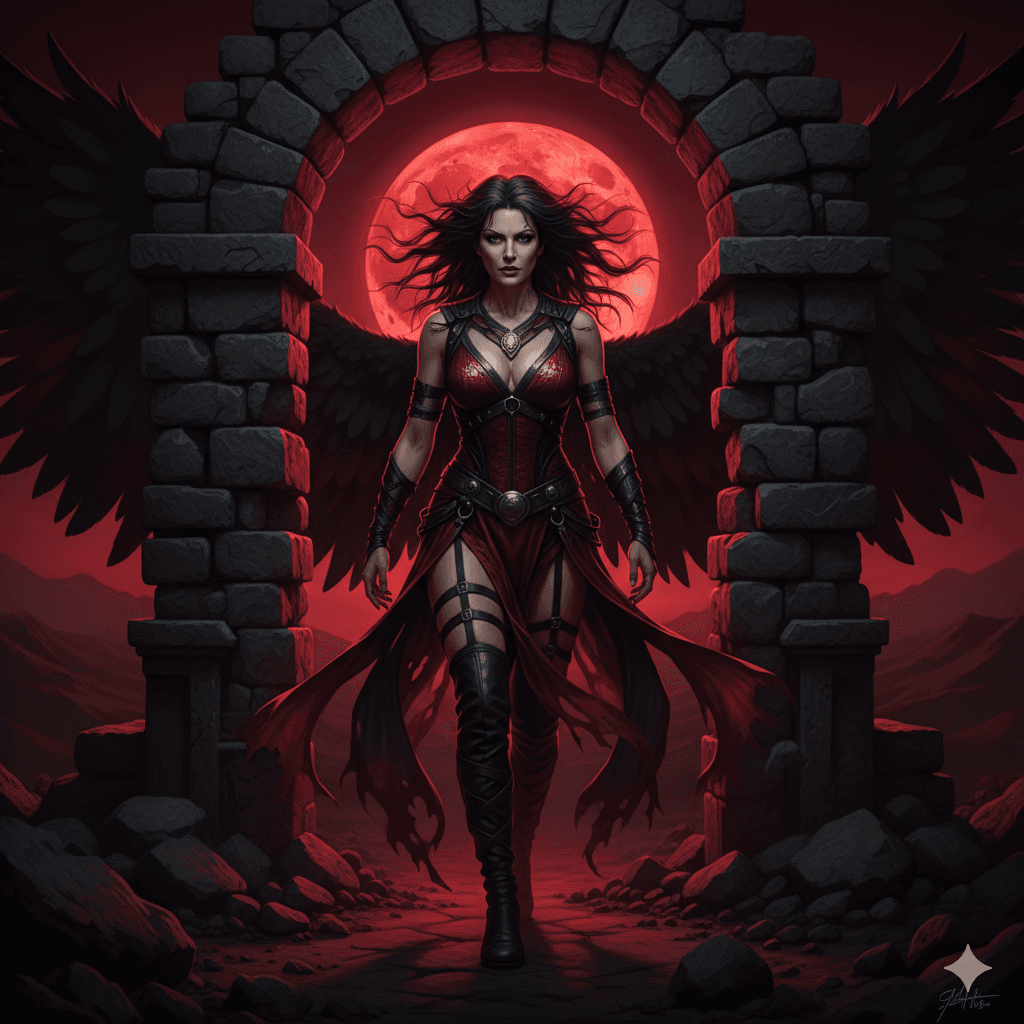
Liberation and the Untamed Self
Sicily, Italy
In Hebrew mythology, Lilith was Adam's first wife, created as his equal, from the same earth. When she refused to be subservient, she was cast out of Eden and demonized.
Lilith has been transformed from demoness to icon of independence, sexual autonomy, and equality. She is celebrated as the first woman who demanded to be treated as an equal and chose exile over submission. Her story resonates with anyone who has been punished for refusing to comply with systems that diminish them.
Lilith walks with those who have been exiled, judged, or punished for their authenticity. She guides the journey toward self-authority, helping you trust that your freedom is worth its cost. She holds space for the sacred 'no' and the liberation that follows.
“May you trust your own authority. May your freedom be worth its cost. May you never again abandon yourself for belonging.”
The woman who is ready to release the versions of herself shaped by other people's comfort. The woman who is done performing safety. The woman whose inner voice has become stronger than the expectations around her.
The Lilith journey is about liberation. It is about shedding the roles, rules, and restrictions that have kept a woman from living as her full self. The woman who walks with Lilith discovers that her wildness is not dangerous; it is essential.
The Isis and Mary Magdalene archetypes live in a different part of this work. They are quieter, more internal, and anchored in devotional depth. These are thresholds reached after a woman has already walked part of her journey.
Prerequisite: Completion of one goddess retreat
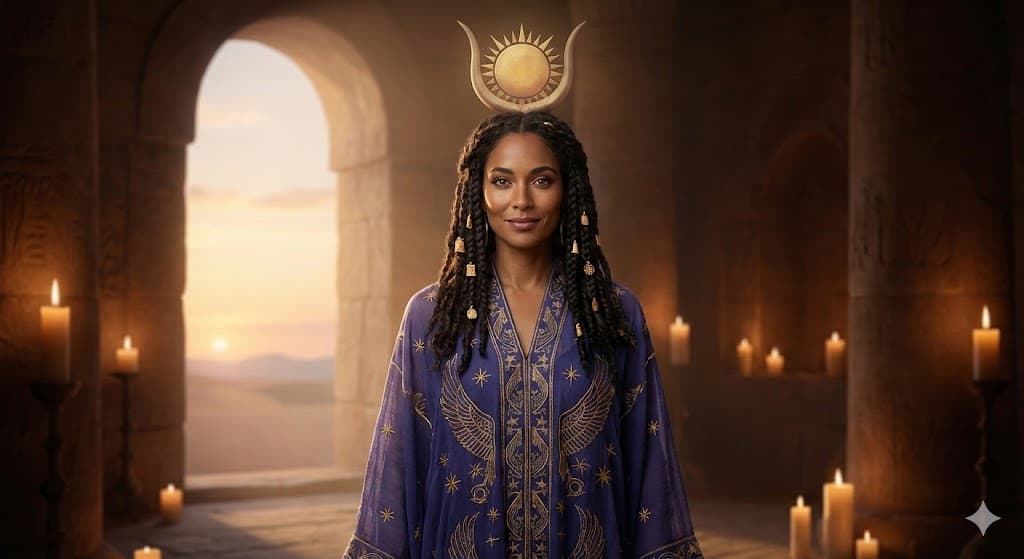
Inner Authority
Paris, France
Isis is the goddess who gathered the scattered pieces of what she loved and breathed life back into it. She is the keeper of magic, the throne, and the power to restore what has been lost. She represents the kind of authority that comes from deep inner knowing.
Who she calls: A woman who is rebuilding herself at depth. A woman who has come through loss or great responsibility. A woman who feels a new self forming quietly inside her.
The journey: The Isis journey is about integration and inner authority. It is for the woman who has already walked through fire and is now ready to gather herself into a new form of wholeness.
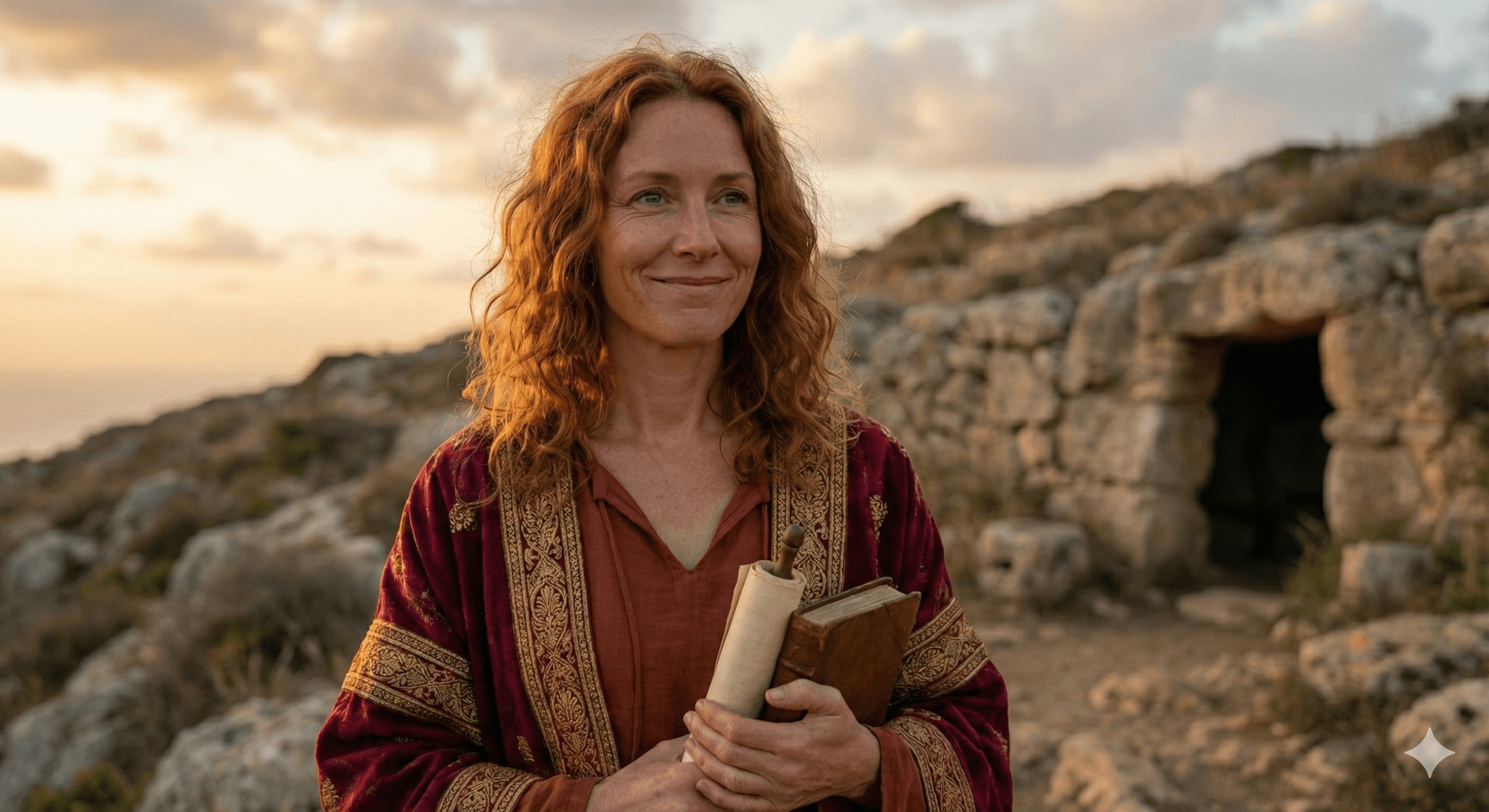
Pilgrimage of Devotion
Sainte Baume & Provence, France
Mary Magdalene is the witness, the teacher, the devoted one, the woman who stayed when others left. She represents a lineage of feminine sovereignty that has been misunderstood, maligned, and yet never extinguished. For centuries, women have studied her teachings, prayed with her, and learned from her quiet, unshakable strength. Her presence calls to the many women across the world who feel a deep devotion stirring within them and recognize her as a guide through their own transformation.
Who she calls: Women who feel something calling them from a quieter place. A sense of devotion stirring. A desire to understand their own lineage of strength and sovereignty. Women who are drawn to her teaching, who sense that she holds wisdom that was hidden but never lost.
The journey: The Mary Magdalene journey is a pilgrimage. It is about walking in the footsteps of devotion, about honoring the sacred feminine that has survived through centuries, about connecting with the countless women who have carried her light forward. It is a journey of learning, of prayer, of deep feminine study, and of claiming the sovereignty that she embodied.
Most women feel a pull toward one or two goddesses as they read. Trust that instinct. The one who stirs something in you is often the one who has something to offer your current threshold.
If you are unsure, or if several feel relevant, take our assessment to discover which goddess resonates most deeply with where you are right now.
Take the AssessmentWhether you are drawn to a specific goddess or simply feeling the pull of transformation, the next step is a conversation. Reach out to explore what this moment is asking of you.